
Category: blogs

The Effect of Remittances on Economic Growth: Why the Money Your Employees Send Home Matters Globally
OverviewThe effect of remittances on economic growth extends far beyond individual households. This overview examines how the $656 billion workers sent home in 2023 stabilised consumption, financed small businesses, and drove financial inclusion across developing economies. It covers transmission channels, regional evidence, case studies from major recipient countries, current challenges including high transfer costs, and […]

What Is the Best Money Transfer Option for Low-Income Workers – How Can Employers Help?
OverviewThe best money transfer option balances cost, speed, security, and accessibility, but for low-income migrant workers in the UAE, the stakes are higher. This overview covers how transfer costs disproportionately impact workers earning AED 1,500–2,500 monthly, which evaluation criteria define “best”, how different provider types compare on fees and payout access, and what employers can […]
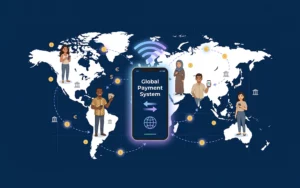
How to Send Money Overseas: What Migrant Workers Need to Know – and How Employers Can Help
OverviewFor millions of workers in the UAE, sending money home is not an occasional transaction; it is a monthly necessity that connects them to families depending on those funds. This overview covers how international money transfers work, the channels available, hidden cost structures workers face, documentation requirements, safety protocols, and the specific role UAE employers […]

Financial Inclusion Examples: How Forward-Thinking UAE Companies Are Making It Real
OverviewFinancial inclusion in the UAE has reached 85.7% of residents aged 15 and older, yet significant gaps remain among migrant workers, women, and micro-enterprises. This guide examines how UAE banks, fintechs, telecoms, and regulatory bodies are addressing these gaps through digital wallets, simplified onboarding, mobile money platforms, and policy innovation. It outlines measurable outcomes, identifies […]

Financial Inclusion Meaning: What It Really Means for Businesses Employing Low-Income Workers
OverviewFinancial inclusion is about giving workers access to affordable, usable financial services that support everyday life. For employers, it matters because better pay access, financial literacy, and lower-fee services can improve retention, reduce payroll friction, and strengthen workforce stability. This article explains the concept, the business case, and practical steps employers can take. A worker’s […]

Corporate ESG Reporting in the UAE: Regulations, Timelines, and Where to Begin
OverviewCorporate ESG reporting is now a regulatory requirement across the UAE. Listed companies on ADX and DFM must submit annual sustainability reports within 90 days of the financial year-end and follow GRI Standards, while the Federal Climate Law expands greenhouse-gas reporting obligations across the wider market. This guide outlines current SCA, ADX, and DFM requirements, […]

ESG Reporting Solutions: How Fintech Platforms Are Helping Employers Track Social Impact Automatically
OverviewESG reporting has shifted from a voluntary practice to a regulatory requirement across major jurisdictions. Employers now face mandatory disclosure deadlines, substantial non-compliance penalties, and investor pressure for audit-ready social impact data. This overview covers how fintech platforms automate ESG data collection through payroll and HRIS integration, the core features that distinguish modern solutions, implementation […]

Navigating CBUAE Regulations for Payroll
Overview Central Bank UAE payroll rules span multiple regulatory frameworks: WPS mandatory enrolment, SIF file formatting, payment timelines, digital wallet licensing, and exposure limits for payroll-linked lending. This guide consolidates CBUAE requirements across employer obligations, account setup, penalty structures, risk grading, and record-keeping duties, translating fragmented circulars into operational guidance for HR teams managing UAE […]

The Legal Risks of Paying Salaries in Cash
OverviewUAE labour law mandates electronic wage transfers through the Wages Protection System for all private sector employers. This article covers the legal prohibitions on cash salary payments, the penalties employers face for non-compliance, how WPS verification works, employee dispute rights, and the practical steps businesses must take to transition from cash to compliant payroll methods […]

Common Money Transfer Mistakes Dubai Expats Must Avoid
Overview: Sending money home involves navigating recipient details, exchange rates, transfer timing, UAE regulations, provider licensing, and documentation requirements. Platforms like myZoi, a Central Bank‑licensed digital remittance service, help UAE expats send money home with lower fees, transparent rates, and instant tracking. This guide covers seven common remittance mistakes that cost expats money and delay transfers, […]